FIG. 03 — SHINZO SPEC CAMPAIGN
Three source photos. Four one-go films. Forty-one beats.
One hoodie, three reference photographs, four vertical ads. Each film is a single Seedance 2.0 generation with its hard cuts already inside the take; post stayed minimal, a finishing pass rather than an assembly job. Demo material only. No affiliation, client permission, or performance data is implied.
01 — THE SPOT
Nine beats, one take, no timeline.
End of the day. He lies down on a Persian rug still dressed for work, brings the two hem halves together at his waist, and draws the zip to his chin in one pull. The hood goes over. His hands burrow into the kangaroo pocket and disappear. He rolls a quarter turn onto his side, knees drawing up, and stops moving. Beside him the phone screen lights at 10.1 seconds, ignored, and dims to black by 11.8.
The camera never moves. Every shot is the same locked overhead frame, and the ring of props at the rug's edge holds position for the full twelve seconds: black shoes paired, a folded tie, a stack of books, the phone by his hand.
The interesting part is the cuts. There are six, at 0.68, 2.13, 3.80, 6.47, 7.47 and 8.59 seconds, and none of them were made in an edit. Seedance 2.0 produced them inside one reference-to-video pass, carrying the face, the light and the matched action across every transition. Post-production stayed minimal — trims and finishing to bring the set together. The sequence itself came out of the model.
MODEL
SEEDANCE 2.0 / REF-TO-VIDEO
FORMAT
720×1280 / 9:16 / 24FPS
DURATION
12.04 SEC
CUTS
6, ALL GENERATED
02 — THE BRIEF
Three photos of one hoodie into four finished ads.
Shinzo sells the Turquoise Plaid Zip Up Hoodie for AUD $240. It is 460gsm brushed cotton, box fit with dropped shoulders, a double-layered hood, a silver two-way zip running on brown leather pull-tabs, and split kangaroo pockets. A crest sits on the wearer's right chest, roughly the size of a thumbprint.
Three photographs of that garment went in. Front flat, back flat, and a garment-only crop lifted from one on-body shot. No studio, no model call, no location. The brief asked for paid social, which meant vertical and short, and for four separate films rather than four crops of the same one.
SOURCE INPUTS
3
Front flat, back flat, and a garment-only crop taken from a single on-body photo.
FINISHED FILMS
4
Twelve to fourteen seconds each, carrying 41 written beats between them.
DISPATCHED RUNS
11
Eight completed takes, two re-renders of film four, and three content-checker refusals cleared on identical retries.
RATIO
9:16
Vertical only, rendered at 720p for TikTok and Meta placements.
03 — ASSET WALL
Proof in pixels, not claims.
SHINZO SPEC / 3 SOURCE PHOTOS / 4 FILMS PRODUCED / 3 SHOWN / FRAMES PULLED FROM THE FILMS / DEMO SET
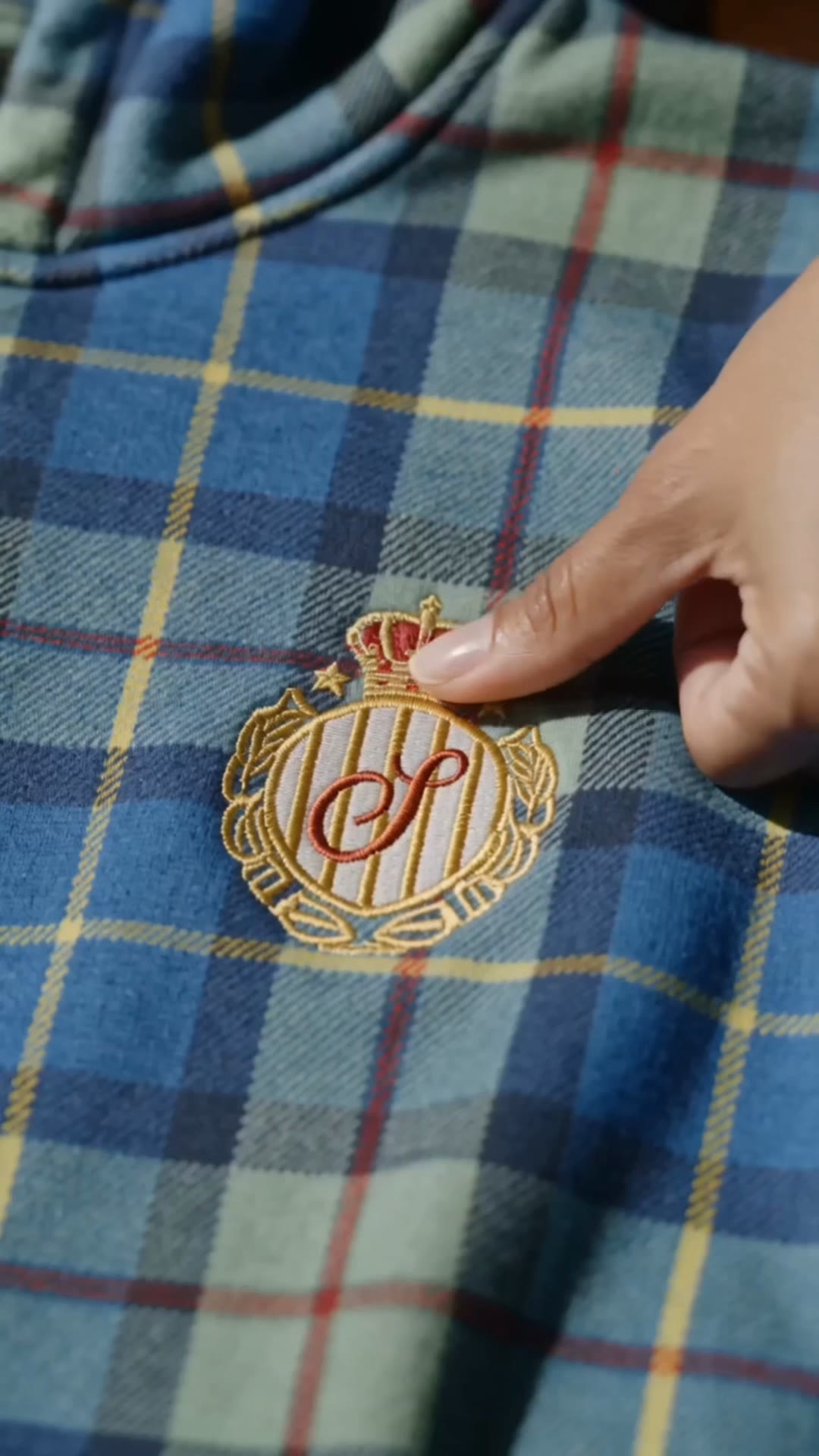 FRAME / FILM 03 · CREST MACRO
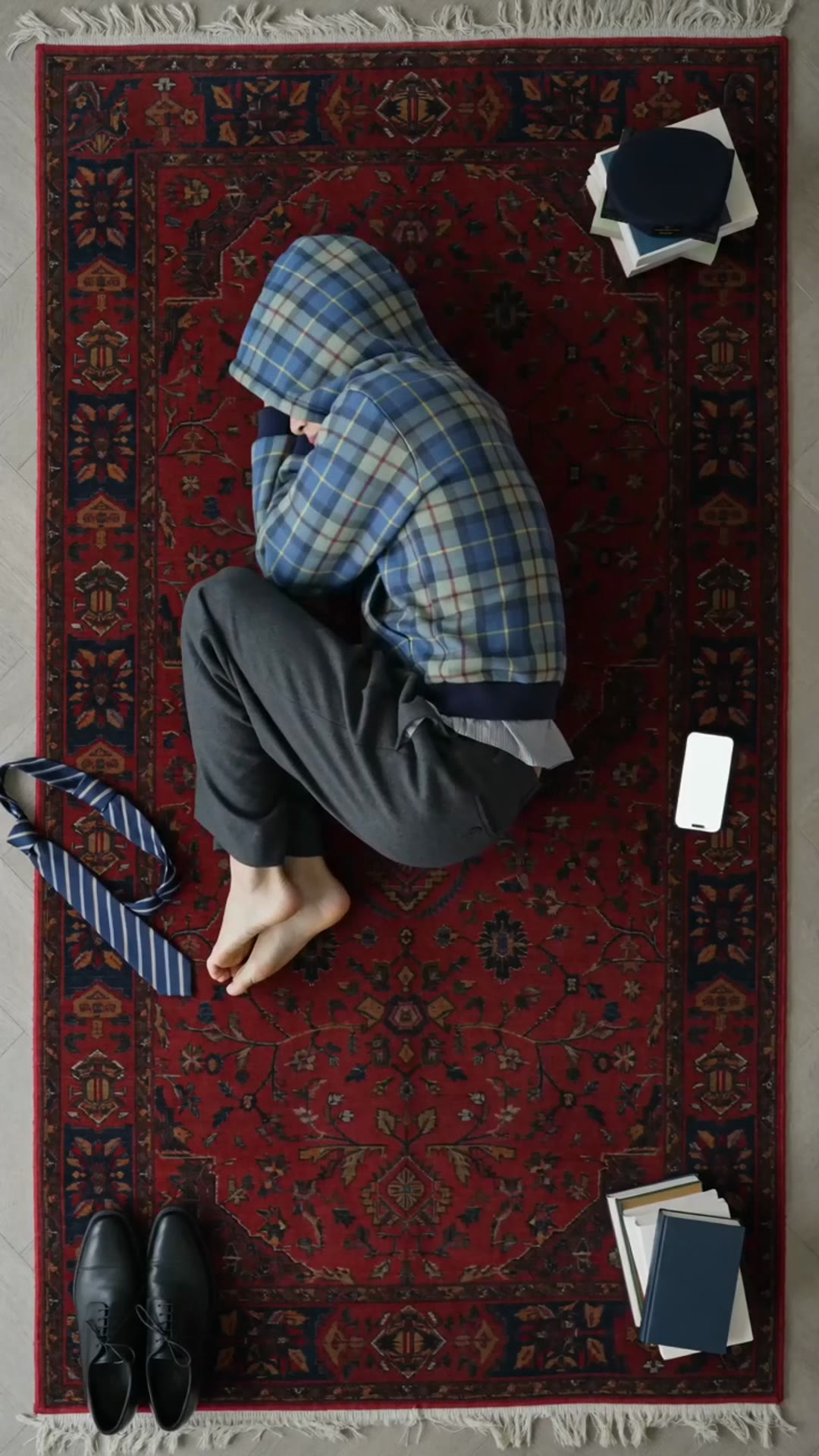 FRAME / FILM 04 · LOCKED OVERHEAD
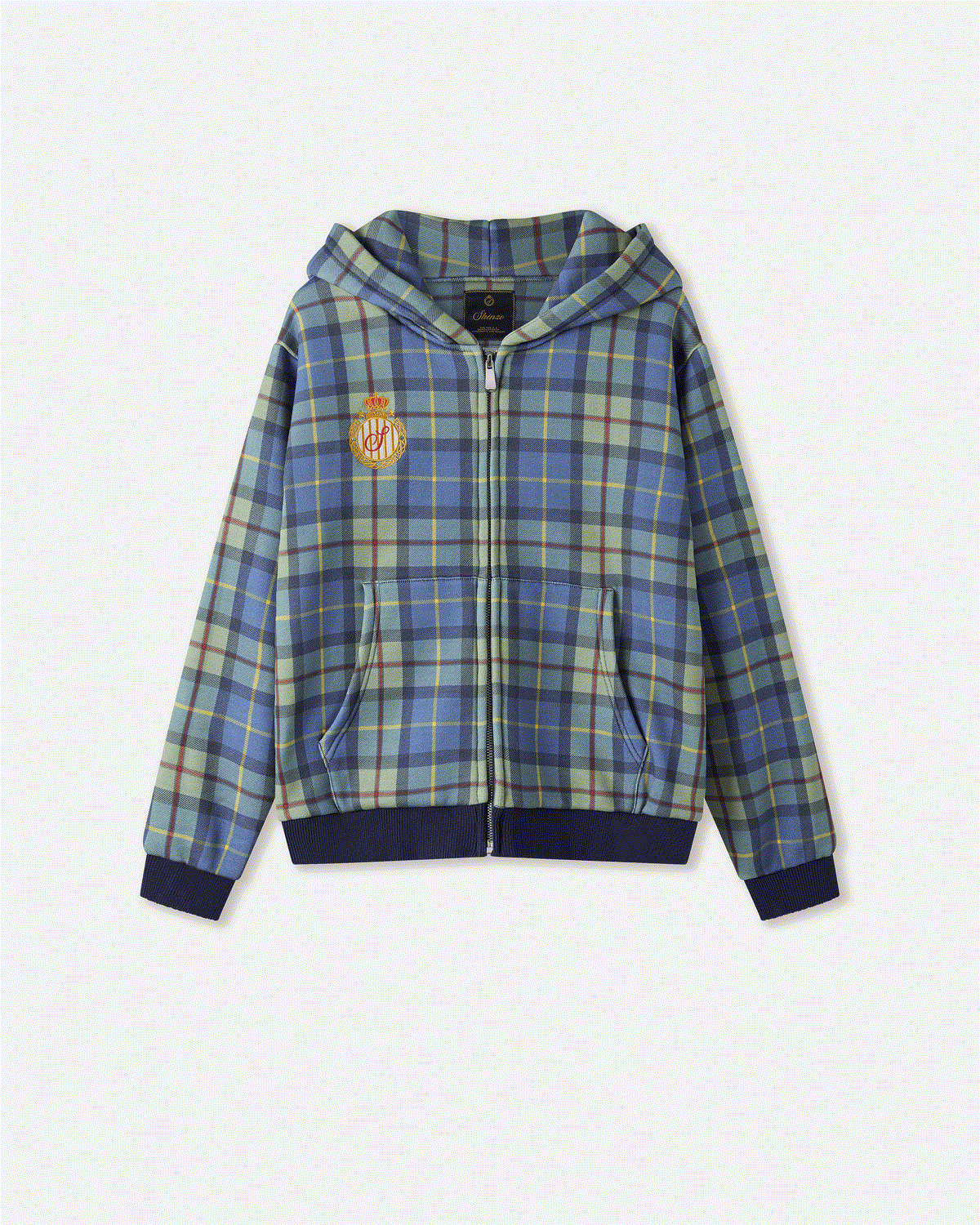 SOURCE / FRONT FLAT
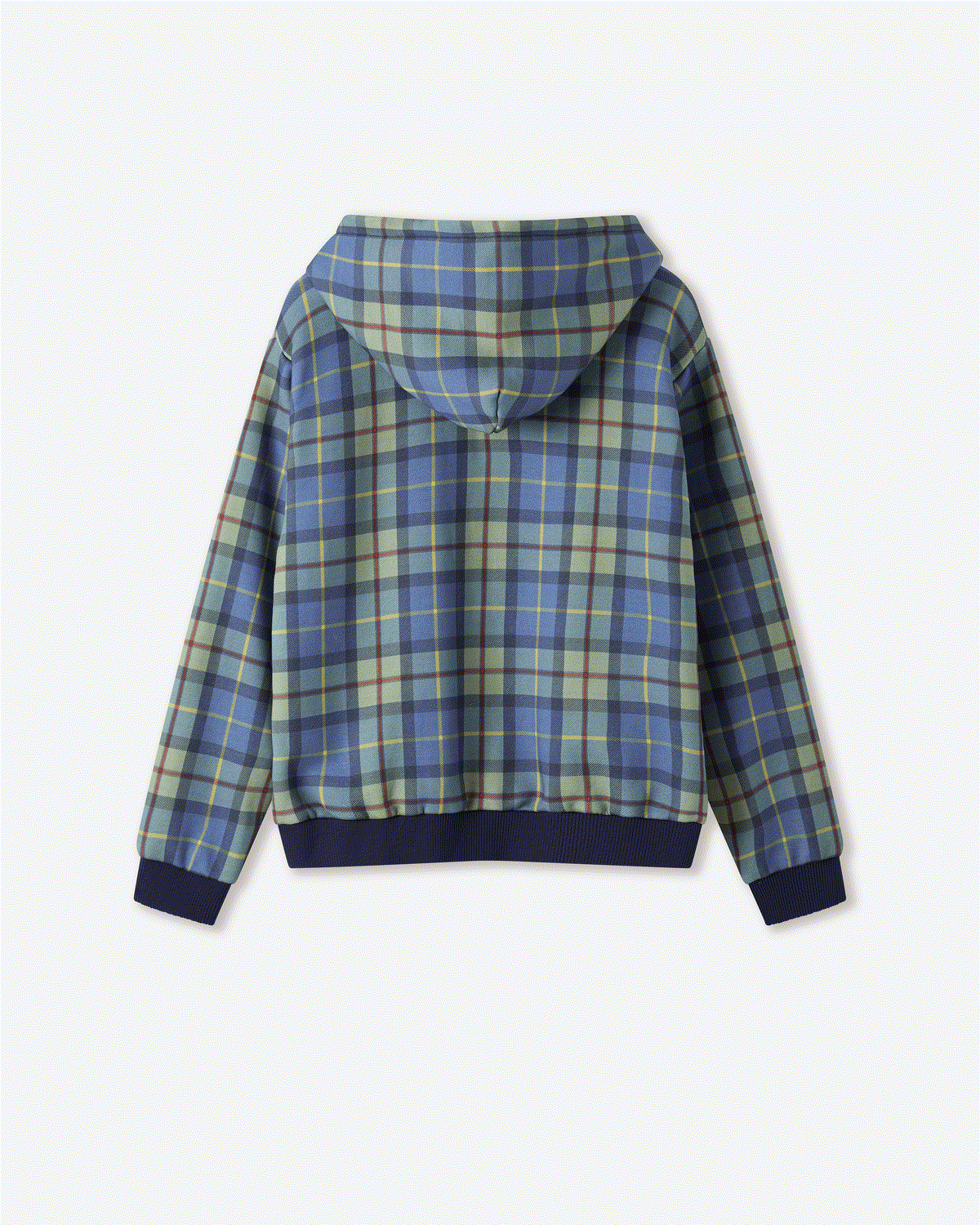 SOURCE / BACK FLAT
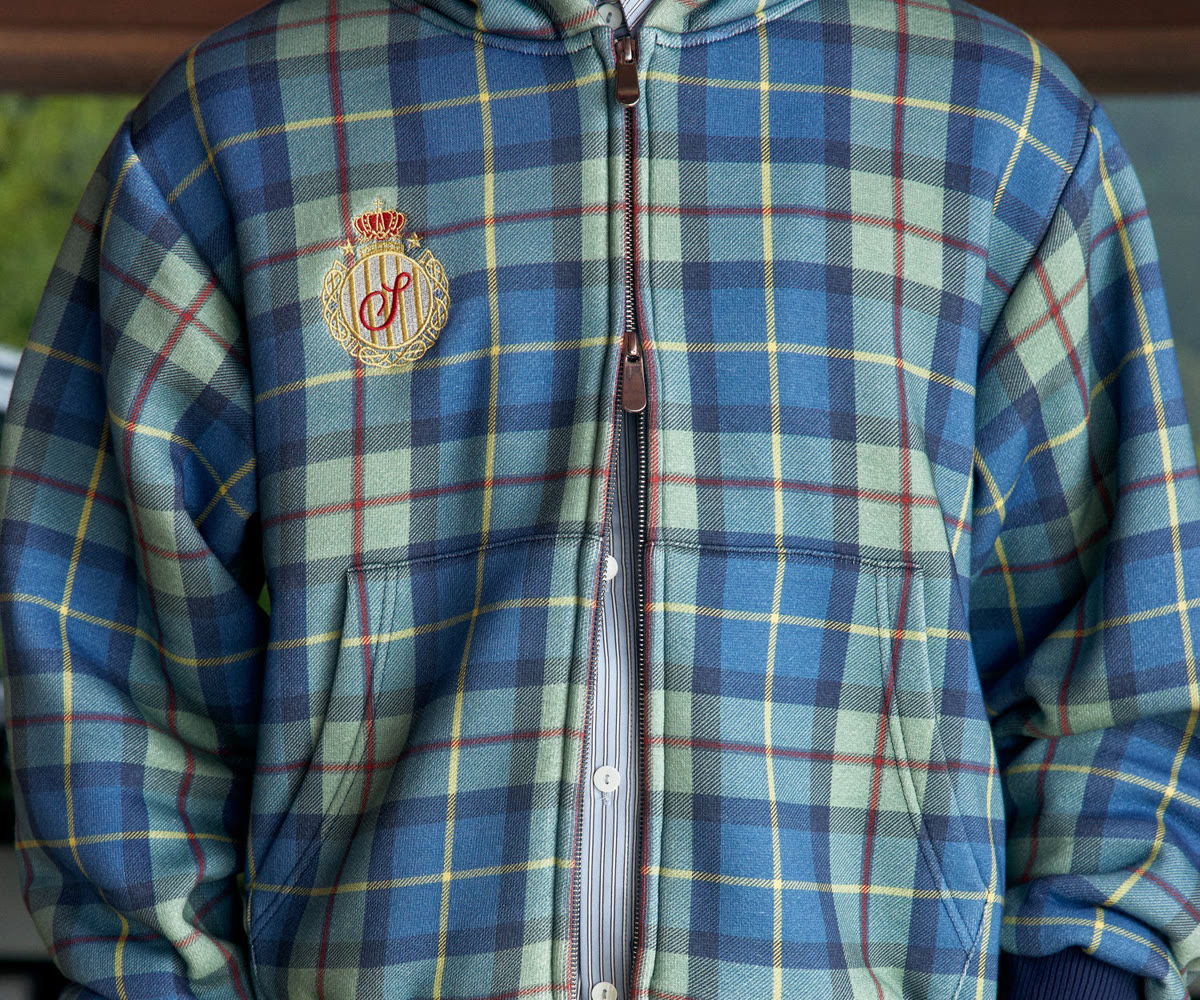 SOURCE / DETAIL CROP
04 — THE BUILD
Two models, four prompts, eleven runs.
Seedream V5 [Pro] made the cast. Seedance 2.0 made the films. Between them sits the part that actually decides whether a garment survives generation, which is how the reference images are wired and in what order.
Every video prompt closes with the same tiebreaker, word for word: if this description and the reference image disagree about the product, the reference image wins. Written descriptions drift. A photograph doesn't.
STAGE 01 / CAST ANCHORS
Generate the faces before the films
Two portraits, one man and one woman, both generated rather than cast. They carry identity across takes so the same person appears in every film they belong to. The second anchor was refused once by the content checker and passed on an identical retry.
STAGE 02 / REFERENCE WIRING
Fix what each image governs
Four references per film, wired in a verified order. The anchor supplies the face and nothing else. The front flat governs every shot facing the lens, the back flat governs the hood and back panel, and the slider crop governs the fastening beats.
STAGE 03 / ONE-GO TAKES
Generate the cuts, don't assemble them
One continuous pass per film, hard cuts inside the take, audio off. Beat counts came from the brand's own short-form work rather than a house default: eleven, ten, eleven and nine, for 41 in total.
STAGE 04 / FRAME AUDIT
Check every claim at full size
Each take was opened frame by frame against the source photos. Cuts were counted with a scene detector, then frame-stepped by hand where the detector missed them, which it did on all three cuts in film four because the framing barely changes across them.
05 — RUN YOUR VERSION
Give us one client.
Get a batch back.
Four films, four worlds, one garment held consistent across all of them, from three photographs and a written beat sheet. The films are what you can see. The reusable part is the reference discipline, the prompt structure, the rules that keep a product honest under generation, and a QA pass that checks every frame against the source photos.
A proof batch runs the same process against one of your clients' real brand standards, assets and QA bar, and tells you where it holds and where it breaks.
RUN A PROOF BATCH →